5 Common Myths About Hypnotherapy to Quit Smoking Explained
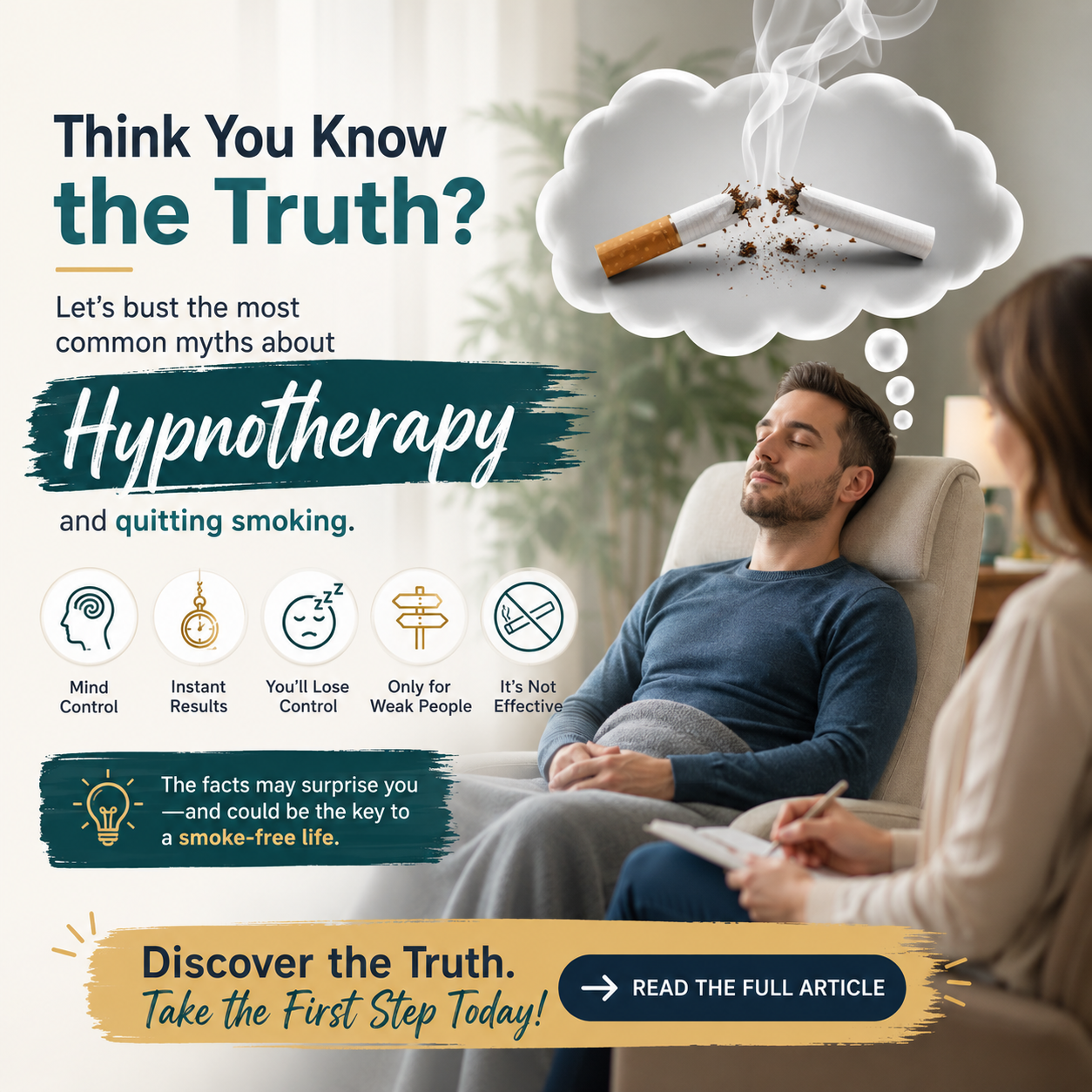
Quitting cigarettes ranks among the toughest habits to break, and many smokers eventually consider hypnotherapy to quit smoking as an alternative to patches, gum, or willpower alone. Yet misconceptions about how this method works often stop people from trying it. Understanding what hypnotherapy for smoking actually involves can help you make a more informed decision about your own path toward a smoke-free life.
Myth 1: You Lose Control of Your Mind
One of the biggest misunderstandings is that a practitioner can control your thoughts or make you do things against your will. In reality, hypnosis is a relaxed, focused state similar to daydreaming. You remain fully aware of your surroundings and retain the ability to reject any suggestion that doesn’t align with your goals. Sessions for hypnotherapy to quit smoking simply guide your subconscious toward healthier associations with cigarettes, rather than overriding your free will.
Myth 2: It Works Instantly for Everyone
While some people report noticeable shifts after a single session, outcomes vary based on factors like smoking history, stress levels, and personal motivation. Hypnotherapy works best as part of a layered approach that may include behavioral coaching, breathing exercises, and lifestyle adjustments. Expecting an overnight cure sets unrealistic expectations; sustainable change usually takes a few sessions paired with consistent effort.
Myth 3: It’s Just Pseudoscience
Skepticism around clinical hypnosis is common, but it has been studied in mental health and behavioral research for decades. Mainstream institutions, including segments of the medical community, have explored its use for habit change, anxiety reduction, and pain management. The American Psychological Association recognizes hypnosis as a legitimate therapeutic tool when administered by trained professionals, which lends credibility to its application for smoking cessation.
Myth 4: Anyone Can Be Hypnotized Easily
Not every individual responds the same way to hypnotic suggestions. Susceptibility depends on personality traits, openness to the process, and the rapport built with the practitioner. Some smokers experience deep trance states quickly, while others need multiple sessions to relax enough for suggestions to take hold. This variability is normal and doesn’t indicate failure on the smoker’s part.
Myth 5: Results Don’t Last Long-Term
A common concern is relapse after initial success. However, hypnotherapy for smoking often focuses on rewiring triggers and cravings rather than offering a temporary fix. When combined with follow-up sessions or self-hypnosis audio practice, many former smokers maintain their progress for months or years. Durability of results typically correlates with how committed someone stays to reinforcing new mental patterns after the initial sessions.
What Influences Cost and Session Structure?
Pricing for hypnotherapy programs generally depends on practitioner experience, session length, and whether the package includes follow-up support. Buyers researching options should weigh:
- Practitioner certification and years in practice
- Number of sessions included in a package
- Availability of recorded audio for at-home reinforcement
- Whether progress check-ins are part of the offering
Real-World Applications Beyond Smoking
Many people exploring hypnotherapy for smoking also use similar techniques for stress management, weight concerns, or sleep issues, since the underlying principle of subconscious reprogramming applies broadly to habit change.
Frequently Asked Questions
Is hypnotherapy safe for everyone?
Most healthy adults can try it safely, though individuals with certain psychiatric conditions should consult a doctor first.
How many sessions are typically needed?
This varies, but many practitioners suggest three to six sessions for noticeable habit change.
Can hypnotherapy replace nicotine replacement therapy?
It can be used alone or alongside other methods, depending on individual preference and severity of dependence.
Does it work if I’m skeptical about hypnosis?
Yes, openness helps but isn’t mandatory; many skeptics still experience positive shifts in cravings.
Will I remember the session afterward?
Yes, you stay conscious throughout and typically recall the entire experience.
Breaking free from cigarettes is a personal journey, and hypnotherapy to quit smoking offers a mind-focused alternative worth exploring alongside other proven strategies. If you’re ready to take the next step toward a healthier routine, talk to a certified practitioner about a session tailored to your needs.
