10 Things to Do Before Starting Hypnotherapy for Depression
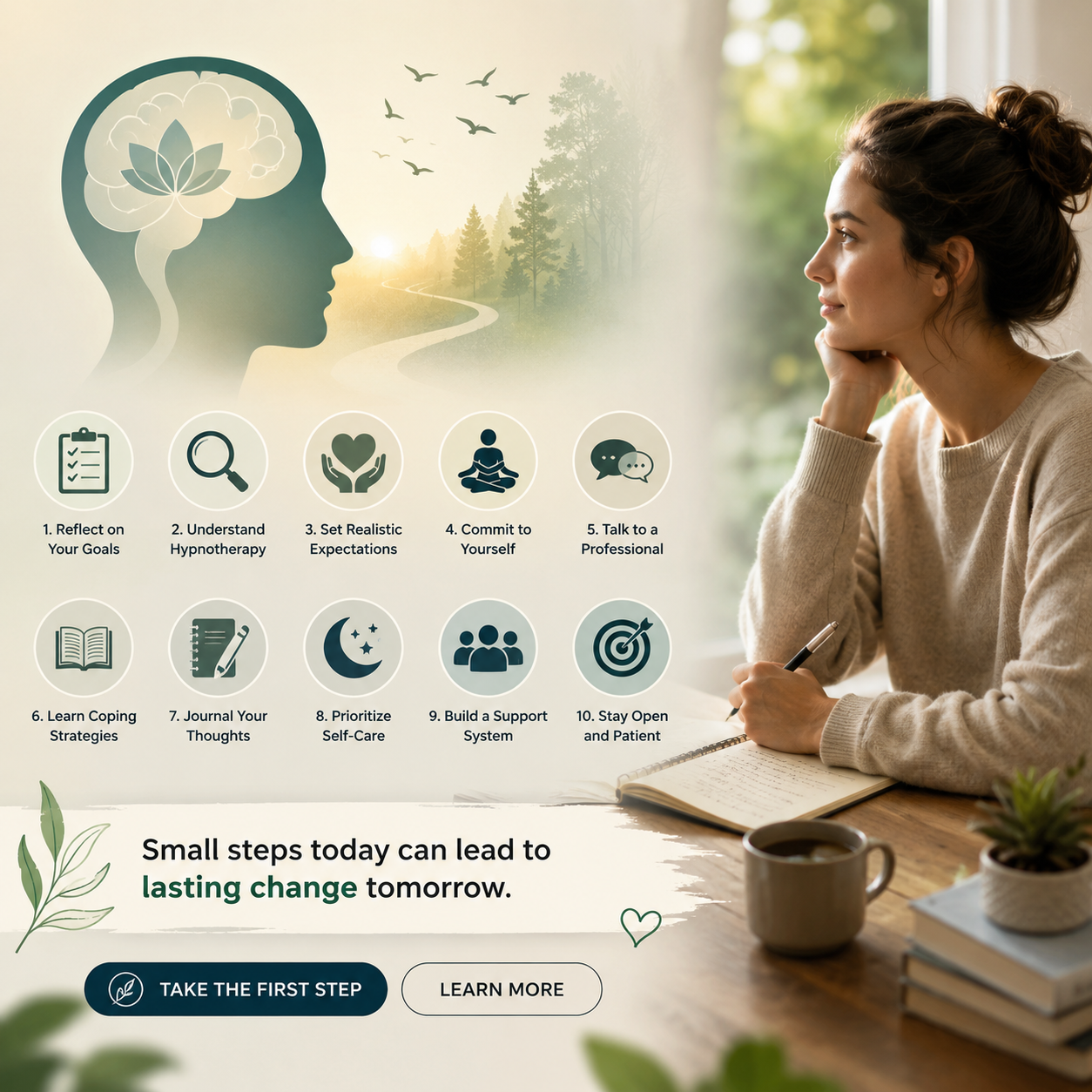
Thinking about trying hypnotherapy but not sure where to begin? You’re not alone. More people are exploring alternative and complementary approaches to mental health, and hypnotherapy for depression has gained real attention for good reason. But walking in without any preparation can slow your progress or leave you feeling uncertain about the process. Whether you’re considering a local therapist or exploring Hypnotherapy for Depression in Los Angeles, these ten steps will help you show up informed, ready, and confident.
1. Understand What Hypnotherapy Actually Is
Before booking your first session, spend time learning what this therapy truly involves. It’s not about losing control or being “put under.” Clinical hypnotherapy uses a guided, focused state of relaxation to help you access your subconscious mind. For people dealing with depression, this can support emotional processing, shift negative thought patterns, and build a stronger sense of self-awareness. The more you understand the process, the more comfortable you’ll feel.
2. Get a Medical or Psychiatric Evaluation First
This step matters more than most people realize. Depression can range from mild to severe, and in some cases, it may have an underlying physical cause. Talk to your primary care doctor or a psychiatrist before starting any complementary therapy. They can confirm your diagnosis, rule out medical factors, and advise whether hypnotherapy is safe to pursue alongside any medications or treatments you’re currently on.
3. Research Qualified and Certified Practitioners
Not every hypnotherapist has the same training or credentials. Look for someone with formal certification from a recognized body, a background in mental health or clinical practice, and verified experience working specifically with depression. If you’re searching for Hypnotherapy for Depression in Los Angeles, check therapist directories, read client reviews, and ask about their methods. A licensed mental health professional who also practices hypnotherapy is often the most reliable choice.
4. Write Down Your Goals and Expectations
What do you actually want to change? Take time to write out your specific concerns: trouble sleeping, persistent negative thoughts, emotional numbness, low motivation. Having this clarity helps your therapist design sessions that directly address your needs. It also gives you a benchmark to measure your progress over time. Vague expectations often lead to vague results.
5. Be Honest About Your Mental Health History
Your therapist needs the full picture. Share details about past trauma, previous therapy experiences, any diagnoses, and what has or hasn’t worked before. Hypnotherapy works best when it’s personalized. Holding back information even if it feels sensitive can limit how effectively your practitioner can support you.
6. Prepare Yourself Mentally for the Process
Hypnotherapy requires you to be open and relaxed. If you come in feeling skeptical, anxious, or resistant, it can make it harder to reach the receptive state needed for the work to take effect. Practice basic relaxation techniques before you begin deep breathing, short meditation sessions, or even just spending quiet time with your thoughts. This kind of mental preparation genuinely makes a difference.
7. Ask Questions During Your Initial Consultation
A reputable hypnotherapist will always offer a consultation before your first official session. Use this time wisely. Ask about their approach, how many sessions are typically recommended for depression, what to expect during and after each session, and how they measure progress. This conversation also helps you assess whether you feel comfortable with them; trust and rapport are essential in this type of work.
8. Plan Your Schedule Thoughtfully
Hypnotherapy is not a one-session fix. Consistent sessions over a set period are usually required to see meaningful results. Before you begin, look at your schedule realistically. Can you commit to weekly appointments? Do you have time to rest and reflect after sessions? Emotional work can be tiring. Building in space around your appointments makes the process more sustainable and effective.
9. Set Up a Supportive Environment at Home
Progress made in therapy can be reinforced or undermined by your daily environment. Think about your sleep habits, diet, social connections, and stress levels. You don’t need to overhaul your life before starting, but making small positive changes, reducing alcohol, getting outside more, and limiting negative media creates a foundation that supports the therapeutic process.
10. Keep a Journal to Track Your Experience
Starting a journal before your first session is one of the most underrated things you can do. Record how you feel each day emotionally, note any patterns or triggers you notice, and document shifts (even small ones) as your sessions progress. This self-awareness helps both you and your therapist understand what’s working and how your mindset is evolving over time.
Frequently Asked Questions
How many sessions of hypnotherapy are needed for depression?
The number varies depending on the individual and the severity of symptoms. Many people begin noticing changes within four to eight sessions, though some may benefit from longer-term work. Your therapist will give you a more specific recommendation after your initial consultation.
Is hypnotherapy safe for people with severe depression?
It can be, but it should always be used alongside professional medical care, not as a replacement. People with severe depression should consult a psychiatrist first and ensure their hypnotherapist is trained to work with clinical mental health conditions.
Will I lose control or memory during a session?
No. You remain aware and in control throughout the entire process. Hypnotherapy places you in a deeply relaxed but conscious state. You can speak, move, and end the session if you choose. You will remember your experience afterward.
Can hypnotherapy be combined with other treatments for depression?
Yes, and it often works best this way. Many clients use it alongside talk therapy, medication, or lifestyle changes. It complements rather than competes with other approaches, often helping to deepen the work done in traditional therapy.
How do I find a trustworthy hypnotherapist for depression?
Look for certified practitioners with a clinical background in mental health. Ask for references, check professional directories, and trust your instincts during the consultation. If you’re in California, searching specifically for hypnotherapy for depression practitioners with verified credentials and experience in mood disorders is a strong starting point.
Taking the time to prepare for this journey is a sign of commitment to your own healing. When you approach hypnotherapy with the right mindset, the right practitioner, and a clear sense of your goals, you give yourself the best possible chance at real, lasting relief. Depression doesn’t have to define your story and taking this first step, thoughtfully and intentionally, is where the shift truly begins.
